By John Yaman
August 19, 2026
As temperatures rise, dependable air conditioning becomes essential for maintaining a comfortable indoor environment. Like any mechanical system, however, an air conditioner can develop problems that reduce cooling performance, increase energy consumption, or cause unexpected shutdowns. Understanding common warning signs helps homeowners recognize when simple maintenance may be sufficient and when professional AC repair is necessary. Regular inspections and timely service can also help prevent minor issues from developing into costly failures. According to Bob Vila, most HVAC systems can last between 15 and 25 years, highlighting the value of proper maintenance throughout the equipment's service life.
1. Weak Airflow From the Vents
Weak airflow is one of the most noticeable signs of an air conditioning problem. A clogged air filter is often responsible because accumulated dust, pet hair, and other debris restrict the amount of air passing through the system. Filters should be inspected regularly during periods of heavy cooling and replaced or cleaned according to manufacturer recommendations. Furniture, curtains, rugs, and other objects can also block supply or return vents, preventing proper circulation and causing certain areas of the home to remain warmer than others.
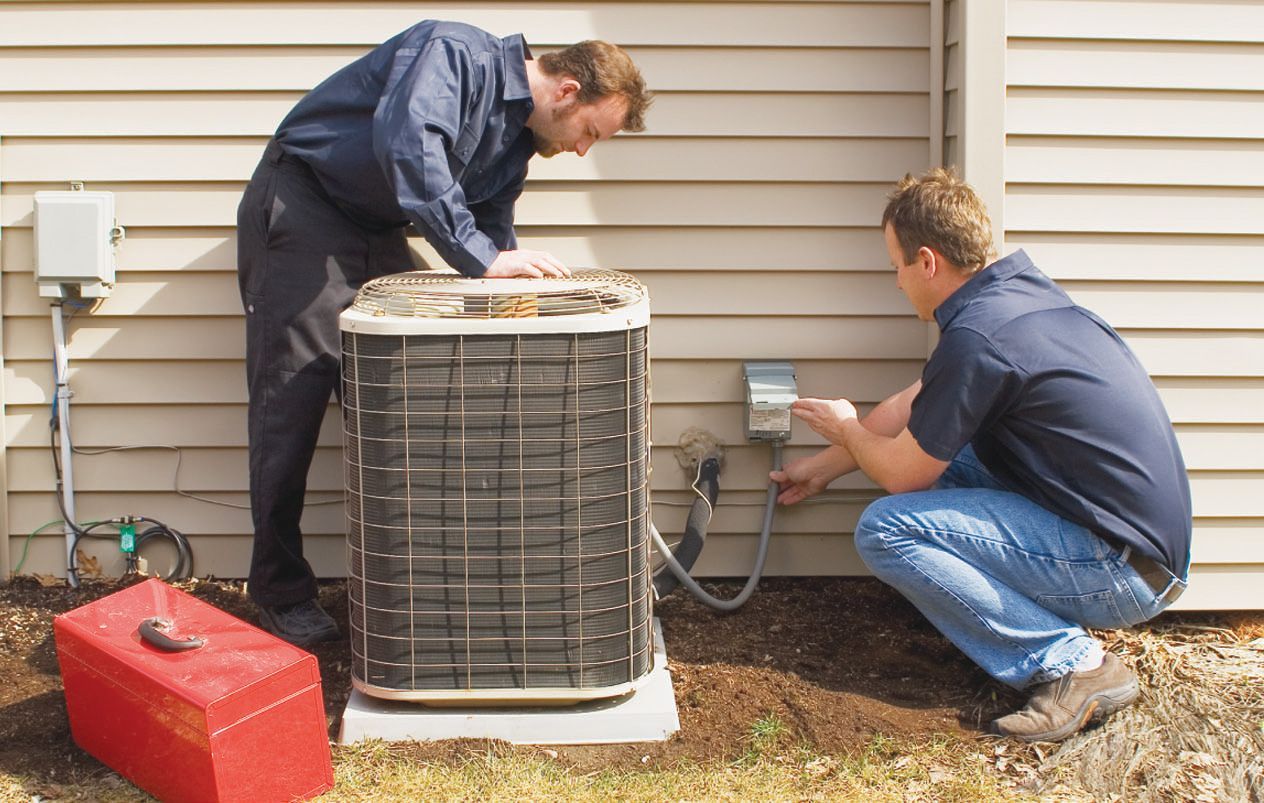
Mechanical problems may also contribute to reduced airflow. A failing blower motor, damaged fan blade, or debris around the fan assembly can limit the system's ability to move conditioned air. Leaking ductwork may allow cooled air to escape before reaching occupied rooms. An experienced ac repair technician can inspect the blower, ducts, and airflow pressure to determine where the restriction is occurring. Restoring adequate airflow can improve comfort while reducing unnecessary strain on the equipment.
2. Refrigerant Leaks
Refrigerant is essential because it absorbs indoor heat and releases it outdoors during the cooling cycle. When refrigerant escapes from the system, homeowners may notice warm air coming from vents, longer cooling cycles, increased electricity bills, ice forming on refrigerant lines, or unusual hissing noises. These symptoms should be addressed promptly because an air conditioner cannot perform efficiently when refrigerant levels are too low.
Leaks may develop because of corroded coils, weakened connections, vibration, improper installation, or general wear. Professionals can use electronic leak detectors, pressure testing, and other diagnostic methods to locate the source. Effective AC repair requires correcting the leak rather than simply adding refrigerant repeatedly. Once the damaged area has been repaired, the system can be recharged to the appropriate level, helping restore efficient heat transfer and reducing stress on the compressor.
3. The System Runs but Does Not Cool Properly
An air conditioner that continues running without lowering indoor temperatures may have dirty coils, restricted airflow, low refrigerant, or another performance problem. The evaporator coil absorbs heat from indoor air, while the condenser coil releases that heat outside. Dirt and grime covering either component can interfere with heat exchange and force the system to run longer than necessary. Regular coil cleaning helps preserve cooling capacity and overall efficiency.
Equipment sizing can also affect performance. An oversized system may cycle on and off too quickly, while an undersized system may struggle continuously to reach the thermostat setting. Improper sizing can result in uneven temperatures, high humidity, and unnecessary component wear. A professional AC repair assessment can evaluate airflow, refrigerant levels, equipment operation, and other factors to determine why the system is failing to provide adequate cooling.
4. Drainage and Moisture Problems
Air conditioners remove humidity from indoor air as part of the cooling process. The resulting moisture collects in a drain pan and flows away through a condensate drain line. Dust, algae, dirt, or other debris can eventually clog this line, causing water to back up around the indoor unit. Homeowners may notice puddles, water stains, musty odors, or system shutdowns if a safety switch detects excessive moisture.
Drainage problems should be corrected quickly to reduce the risk of damage to flooring, ceilings, drywall, and nearby building materials. Technicians can clear blocked drain lines, inspect the drain pan, verify proper drainage, and test safety switches. Keeping the condensate system clean also helps prevent excess moisture from creating conditions that encourage mold or mildew development around the HVAC equipment.
5. Unusual Noises During Operation
Changes in sound frequently provide an early warning that something inside the cooling system requires attention. Rattling may indicate loose panels, hardware, debris, or a damaged fan blade. Grinding sounds can point to worn motor bearings or other moving components experiencing excessive friction. Screeching or squealing may result from problems involving motors, bearings, or fan components. Continuing to operate the system despite these noises can allow additional damage to occur.
Hissing may indicate escaping refrigerant or air leaking from ductwork, while repeated clicking can signal an electrical or control problem. Because several issues can produce similar noises, accurate diagnosis is important. Timely AC repair allows technicians to inspect motors, electrical connections, refrigerant lines, fans, and related components before the condition becomes more serious. Early intervention may also restore quieter operation and help prevent an unexpected breakdown during hot weather.
6. The Air Conditioner Will Not Turn On
When an air conditioner refuses to start, homeowners can begin by checking basic controls. The thermostat should be set to cooling mode with the desired temperature below the current indoor temperature. Dead thermostat batteries, tripped breakers, or blown fuses may also prevent operation. However, a breaker that repeatedly trips should not simply be reset because the system may have an electrical problem requiring professional attention.
Failed capacitors are another possible cause. Capacitors provide electrical energy that helps start and operate the compressor and fan motors. A weakened capacitor may cause humming, intermittent startup, or complete failure. Wiring problems, damaged contactors, faulty control boards, and motor failures can create similar symptoms. Professional testing helps identify the defective component while avoiding unnecessary replacement of parts that are still functioning correctly.
7. Thermostat and Sensor Problems
The thermostat serves as an important control point for the entire cooling system. Incorrect temperature readings can cause short cycling, prolonged operation, or inconsistent indoor comfort. Thermostats positioned near sunny windows, exterior doors, appliances, or other heat sources may register temperatures that do not accurately represent the rest of the home. Calibration problems, damaged wiring, depleted batteries, and defective sensors may also interfere with normal operation.
HVAC technicians can test thermostat response, inspect wiring, calibrate temperature sensors, and confirm that control signals are reaching the system correctly. Some homeowners may benefit from upgrading to a programmable or smart thermostat that offers scheduling and more precise temperature management. However, changing the thermostat will not correct underlying mechanical problems, making accurate diagnosis important before replacing equipment.
8. Uneven Cooling Between Rooms
Inconsistent temperatures throughout a home can result from several factors. Differences in insulation, room size, ceiling height, window exposure, and duct design may influence how effectively each room receives conditioned air. Closed or blocked vents can further restrict circulation, while leaking ducts may allow cooled air to escape into attics, crawl spaces, or wall cavities before reaching the intended areas.
With many HVAC systems capable of lasting between 15 and 25 years, regular maintenance can make an important difference in long-term reliability. Clean filters, maintained coils, clear condensate lines, secure electrical connections, and prompt attention to performance changes all support efficient operation. By responding quickly to unusual system behavior and maintaining the equipment consistently, homeowners can protect their investment, reduce the likelihood of disruptive breakdowns, and enjoy dependable cooling throughout the warmer months. Contact our team at Cool Seasons Air Conditioning & Heating today and learn more about our AC services.